150 mm PUR / PIR Cold Room Panel: U-Value, Temperature Regime & Specifications
150 mm PUR/PIR cold room wall and ceiling panel (0.14 W/m²K) engineered for -22°C / -28°C Derin Dondurma & Endüstriyel Donuk Depo with maximum span and compatible door selection.
Quick Engineering Summary Card
PNL-150Where Is the 150 mm Cold Room Panel Used?
With a thermal transmittance of 0.14 W/m²K, the 150 mm PUR/PIR cold room panel eliminates exterior surface condensation and minimizes compressor run-time in chambers operating at -22°C / -28°C Derin Dondurma & Endüstriyel Donuk Depo.
When ceiling spans exceed 5.80 m, panels are suspended from overhead steel purlins using our thermal-break aluminum T-bar suspension system (A05).
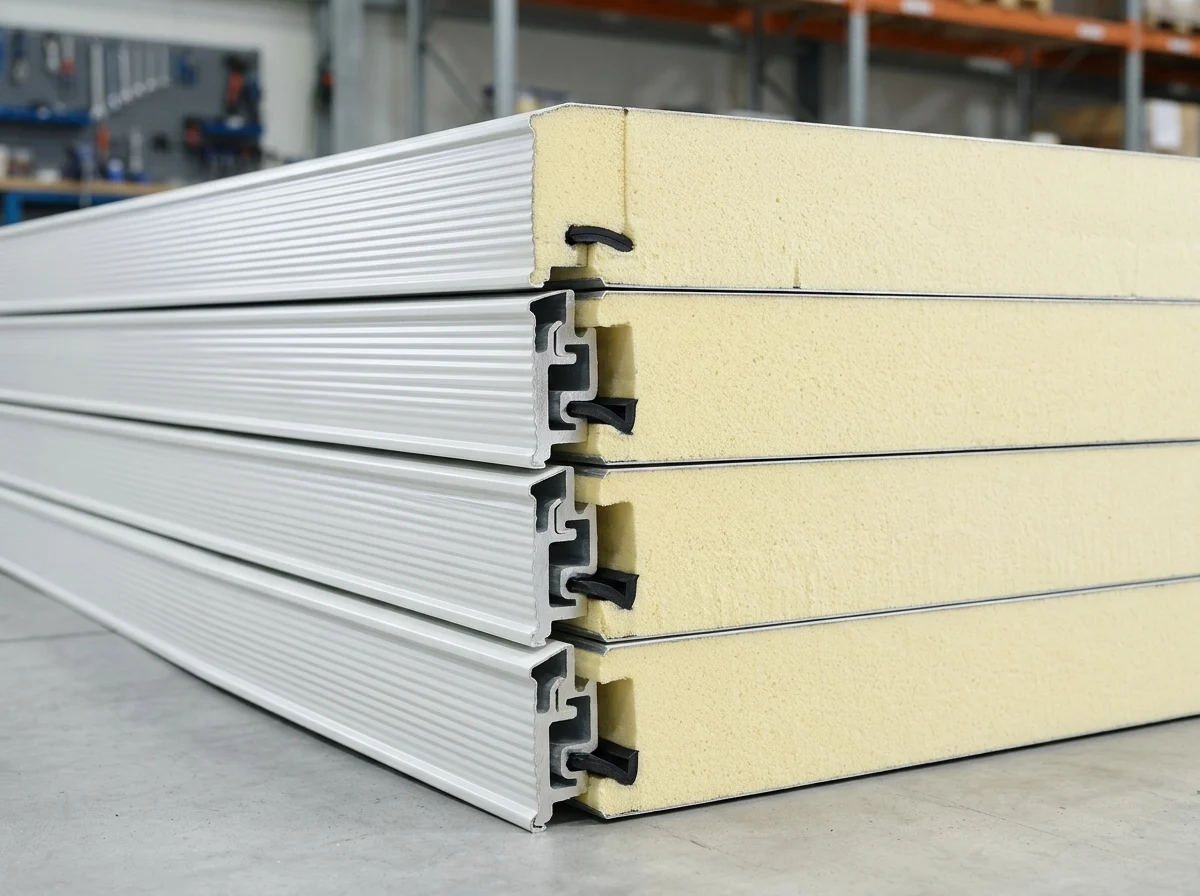
 PNL-150 • 0.14 W/m²K
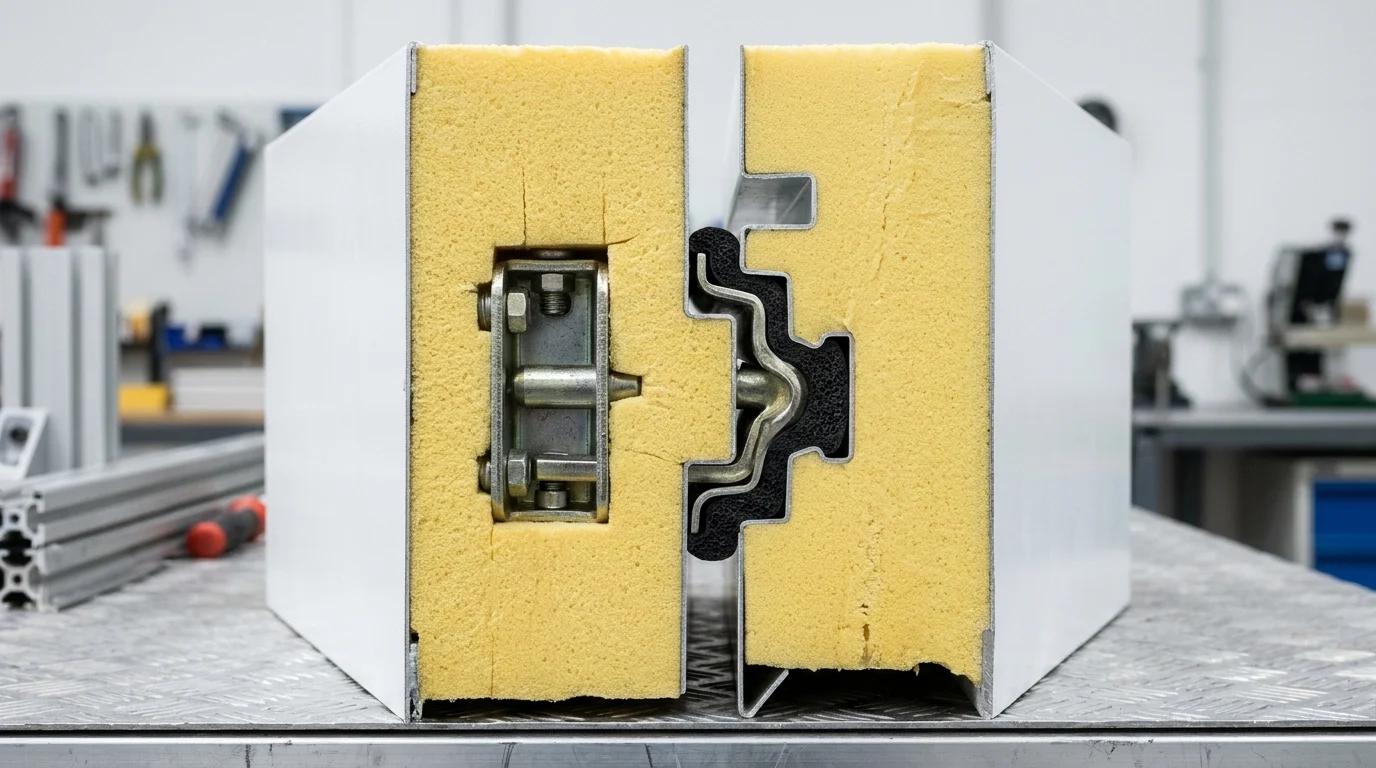
150 mm Cam-Lock / Tongue-and-Groove Section
Yüksek tavanlı lojistik donmuş muhafaza binaları, dondurma depoları (-25°C) ve su ürünleri muhafaza odaları.
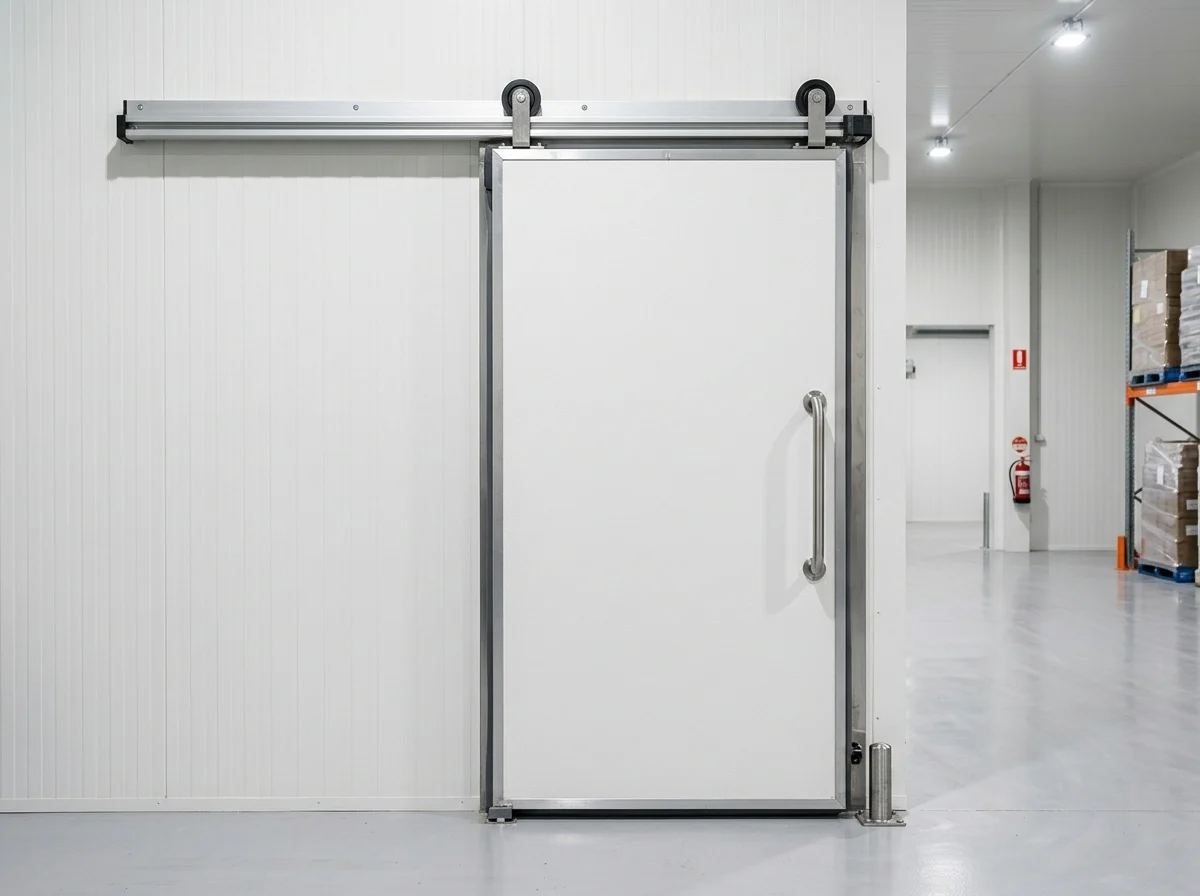 SPC-SD / SPC-HD
Door Frame Matched to 150 mm Wall Panel
120–150 mm Çift Kademe Rezistanslı Ağır Hizmet Sürgülü Kapı (D02)
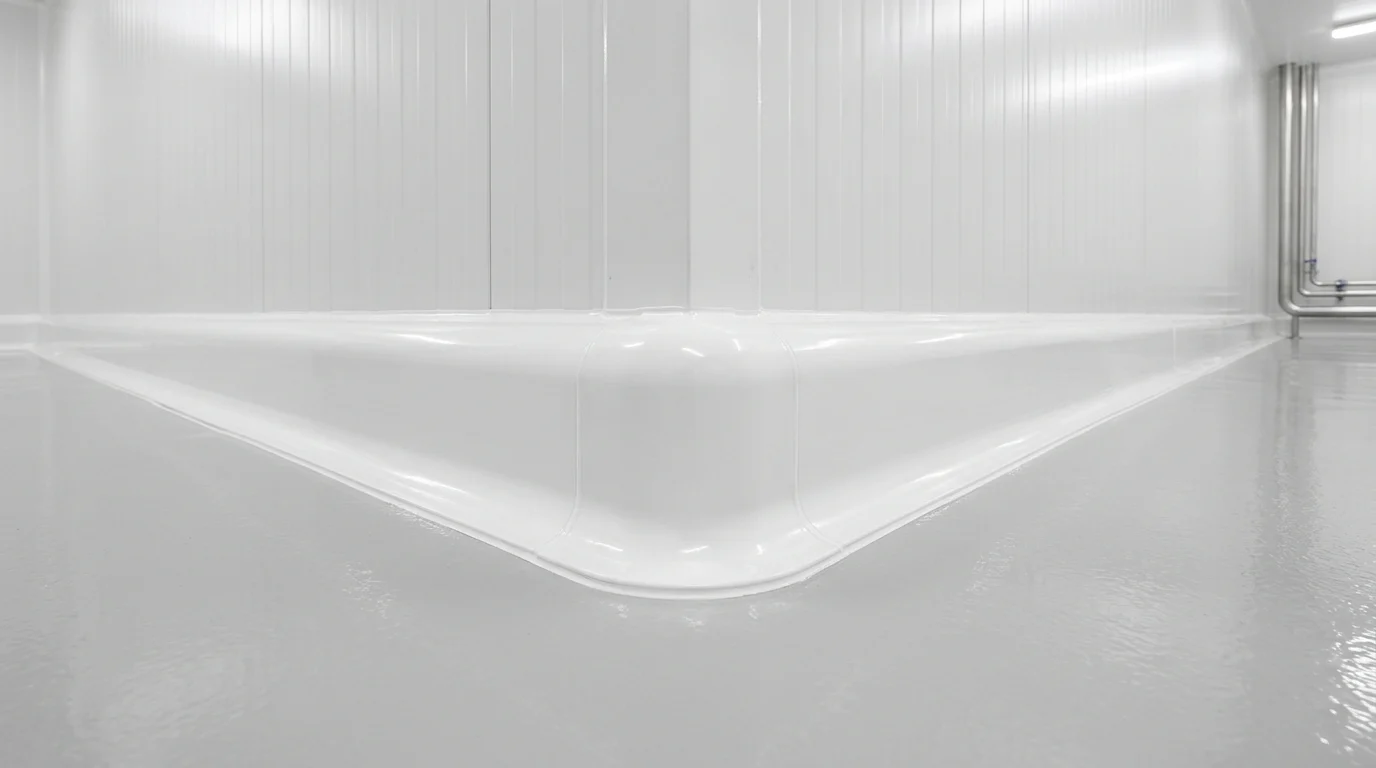 A02 / A05 • AKSESUAR
150 mm U-Channel, R45 Coving & T-Suspension
Thermal-break aluminum T-bar suspension (A05) above 5.80 m span and floor U-channels.
Explore Other Panel Thicknesses (60 mm – 200 mm)
Deep Labyrinth / Cam-Lock Panel Joint & HACCP Rounded Cove Section
Thermal-break tongue-and-groove polyurethane joint geometry combined with R45 rounded PVC hygienic skirting that eliminates 90° bacterial traps.
Related Products, Systems & Engineering Pages
SPC DOOR SYSTEMS
Industrial Cold Room Doors, Freezer Doors & Hygienic Traffic Doors
The doorway is the most critical point for thermal loss, icing, and mechanical wear in any cold store. SerPan Cold engineers 7 specialized door families with thermal-break frames and heavy-duty hardware.
60–200 MM PUR / PIR PANELS
Cold Room Insulated Panels & Industrial Building Sandwich Panels
Backed by SerPan Cold and SerPan Metal manufacturing strength, we supply both the internal vapor-tight cold room envelope (60–200 mm) and the external roof and facade cladding of your facility.
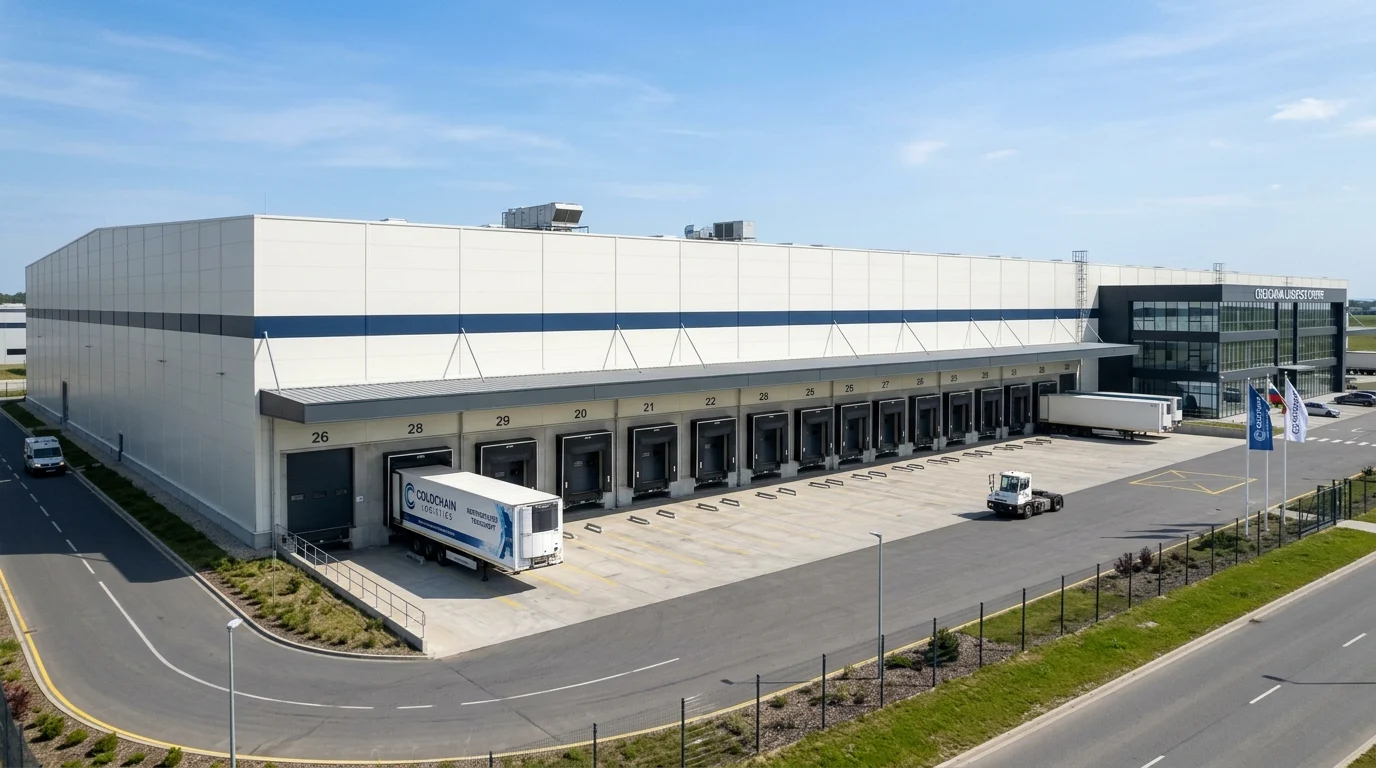 COLD STORAGE BUILDINGS
Cold Storage Buildings: Structural Steel, Thermal Envelope & Turnkey Facilities
Unlike suppliers limited to internal room panels, SerPan Cold integrates SerHangar structural steel, SerPan Metal external cladding, and SerProfil custom flashings to deliver complete standalone cold storage buildings from slab to roof.
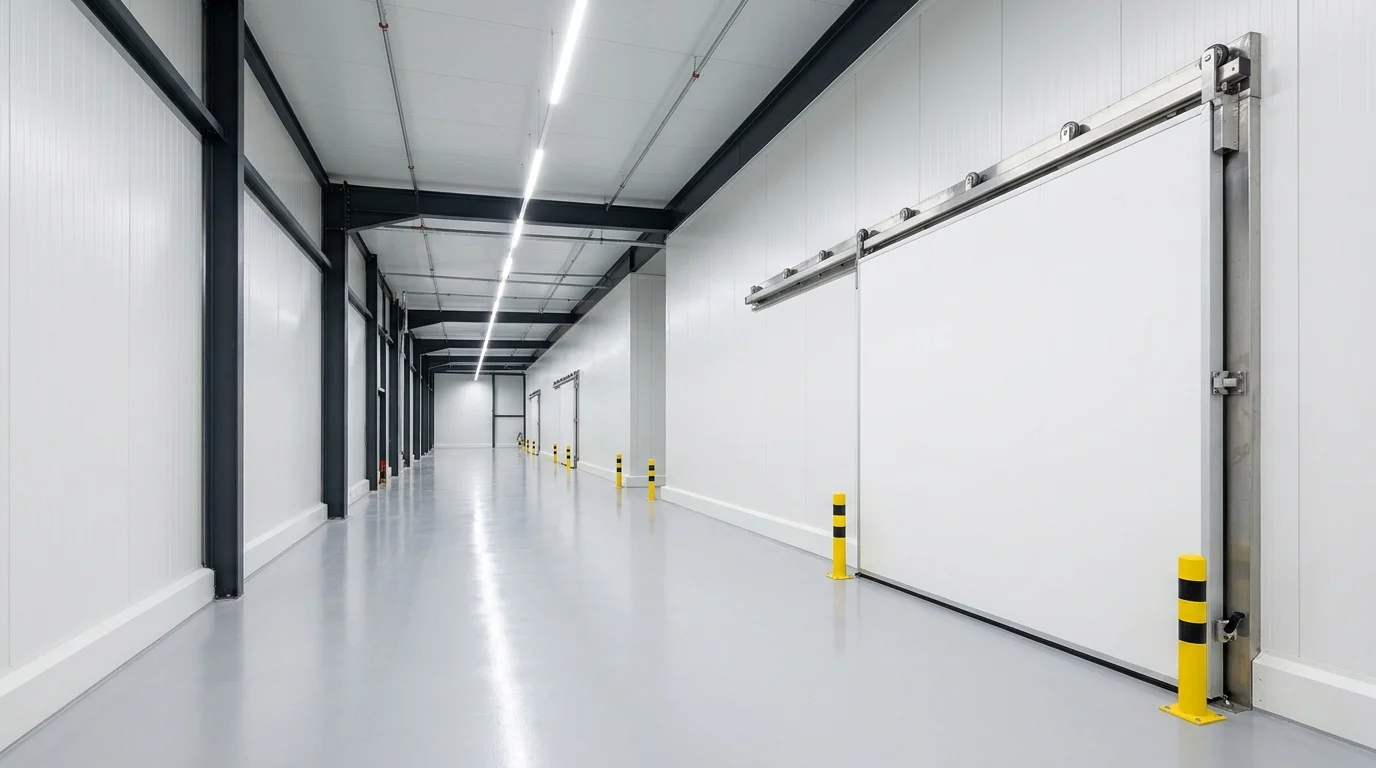 3-IN-1 SIZING SIMULATOR
3-in-1 Cold Room, Warehouse Building & Export Loading Simulator Hub
Enter your room or facility dimensions to instantly calculate wall/ceiling panel quantities, recommended thickness, door models, building space breakdown, or container loading—and send the result directly to our engineering team.
Frequently Asked Engineering & Supply Questions
Frequently asked technical questions regarding cold room doors, panel thickness selection, thermal sealing details, and turnkey project workflows.
C11 Which cold room panel thickness should be selected for each operating temperature regime?
General engineering guideline: 60–80 mm for +8/+15°C cool storage, 80–100 mm for +2/+8°C chillers, 100 mm for 0/+4°C fresh storage, 120–150 mm for -18/-22°C freezers, 150–180 mm for -25/-30°C deep freeze, and 180–200 mm for -35/-40°C blast freezers.
C12 What is the main difference between PUR and PIR insulated cold room panels?
Both provide high thermal insulation at 40–42 kg/m³ density, while PIR (Polyisocyanurate) features an enhanced isocyanurate ring structure that delivers superior fire resistance, reduced smoke emission, and compliance with industrial property insurance standards.
C13 What is the difference between Cam-Lock modular panels and continuous-line slip-joint panels?
Cam-lock modular panels allow rapid assembly and future disassembly/relocation for walk-in cold rooms. Continuous-line labyrinth slip-joint panels are engineered for tall industrial cold storage buildings and long partition walls up to 13.5 meters.
C14 Why is floor insulation critical in cold rooms and freezer chambers?
Without proper floor insulation in sub-zero rooms, ground moisture freezes and expands (frost heave), cracking the concrete slab. Modular rooms use birch-plywood + stainless steel floor panels, while forklift-rated warehouses use multi-layer high-compressive XPS/PIR below a reinforced concrete slab with underfloor heating or ventilation.
C15 Why are hygienic cove skirtings and rounded internal/external corner profiles (A02) required?
Sharp 90-degree wall-to-floor and wall-to-wall angles trap bacteria and organic residues. HACCP, IFS, and BRCGS food safety audits require coved (rounded radius) PVC/aluminium hygienic profiles for effortless sanitation.
C16 Which cold rooms require a pressure relief valve (A03)?
Rapid air contraction after door closure or defrost cycles creates strong vacuum pressure inside sealed rooms. Heated pressure relief valves are mandatory in all sub-zero freezers and blast rooms to prevent panel implosion and vacuum-locked doors.
Select Your Enquiry Pathway (4 Specialized Engineering Tracks)
Select the pathway matching your requirement; your dimensions and technical parameters will be formatted and sent directly to our WhatsApp Engineering Desk. (+90 (505) 507 04 18)